
In 2026, local search is more competitive and more important than ever before. Whether you run a small café, a salon, a law firm, or a multi-location enterprise, your customers are searching “near me” on Google Maps we can search “How to Rank a Business Locally using Google Maps SEO” every single day. To win these local searches, you need a powerful Google Maps SEO strategy that blends traditional local SEO with modern optimizations like GEO (Generative Engine Optimization) and AEO (Answer Engine Optimization).
In this comprehensive guide, we’ll break down what Google Maps SEO really means, how a strategic Google My Business Setup Service helps you structure your online presence to dominate local search including maps, local rankings, AI summaries, and even direct answer placements.
What Is Google Maps SEO?
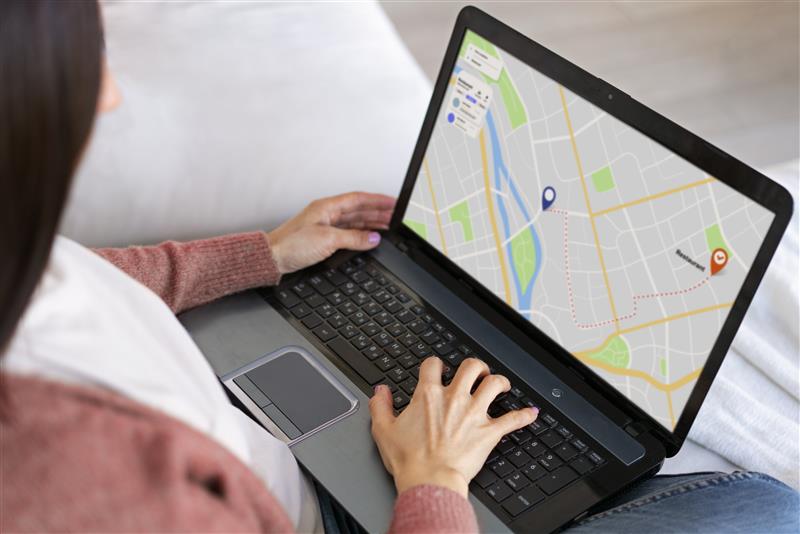
Google Maps SEO refers to optimizing your business’s presence in Google Maps and Google Search local packs so that your listing appears prominently when users search for services in your area. This includes improving your Google Business Profile, local citations, reviews, photos, categories, and keyword targeting all tailored to your geographic audience.
At its core, Google Maps SEO is part of Local SEO the practice of making your business more visible to people searching in a specific location. If done correctly, Google Maps SEO drives more visibility, traffic, phone calls, directions, and foot traffic to your store or service location.
Why Google Maps SEO Is Critical for Local Businesses
Here’s why Google Maps matters more than ever:
1. People Search With Local Intent
Nearly half of Google searches now have some form of local intent meaning users are actively looking for businesses near them. For example, searches like “best plumber near me” or “coffee shop open now” are driving huge demand.
2. Maps Results Drive Real-World Actions
When a user finds your business on Google Maps, they don’t just click they call, request directions, visit your website, or walk right into your store. This makes Google Maps traffic often higher intent and higher converting than regular search traffic.
3. Local Reviews Boost Trust & SEO
Good reviews increase credibility with users and with Google’s ranking systems. Responding to reviews positive and negative also signals to Google that your business is active and customer-focused.
How to Rank a Business Locally Using Google Maps SEO: Core Elements
1. Claim & Perfect Your Google Business Profile
Your Google Business Profile (GBP) formerly Google My Business is the heart of your Maps exposure. Ensure your listing is:
- Claimed and verified
- Complete with accurate details (business name, address, phone, hours)
- Using the right primary category and relevant secondary categories (don’t choose broad over niche)
This establishes Google’s trust in your profile and helps you show up for precisely relevant searches.
2. Optimize NAP Consistency
Ensure your Name, Address, and Phone number (NAP) are consistent across:
- Your website
- Google Business
- Online directories
- Social profiles
Any inconsistency even abbreviations like “St.” vs. “Street” can harm your ranking.
3. Target Local & Long-Tail Keywords
Great Google Maps SEO isn’t just about “plumber.” It’s about:
- Geo-specific keywords (“plumber in London,” “24/7 plumber near Sector 18”)
- Long-tail terms that match user intent
These drive highly relevant local traffic and improve your chances of ranking in local maps and organic search.
4. Add Rich Photos & Videos
Listings with high-quality photos and videos:
- Stand out in Maps
- Increase engagement
- Signal presence and activity to Google
This simple step dramatically improves trust and click-through-rates in local searches.
5. Collect & Respond to Reviews
Reviews are a top factor in local rankings. Encourage happy customers to leave reviews, and respond professionally to all of them. This builds credibility and may improve your Maps placement.
6. Build Local Citations & Backlinks
Local citations mentions of your business’s NAP on trusted directory sites help Google affirm your legitimacy. Meanwhile, backlinks from local sources build authority, improving both Google Maps SEO and traditional search rankings.
7. Use Schema & Structured Data
Adding Local Business schema to your website provides structured information to crawlers, improving the machine readability of your business information which can lead to richer visibility in search and Maps.
What Is GEO (Generative Engine Optimization)?
GEO is a new digital optimization approach designed to help your content and brand appear in AI-generated answers by large language models (LLMs) such as ChatGPT, Google Gemini, and Perplexity. This isn’t traditional ranking it’s being cited, summarized, and recommended directly in AI responses. If you want to search about ” How to Rank a Business Locally using Google Maps SEO” on google.
For example, someone might ask an AI assistant:
“Best plumber near Dadri, Uttar Pradesh?”
If your business is well optimized with strong local SEO signals and authoritative content, GEO can help your brand appear directly in the AI’s answer, offering massive visibility outside standard search listings.
What Is AEO (Answer Engine Optimization)?
AEO focuses on structuring your content to be picked up as a direct answer in SERP features like:
- Featured snippets
- Voice assistant responses
- Google AI Overviews
Unlike traditional SEO, which focuses on ranking pages on a list, AEO is about being the answer itself. This uses structured formats like FAQs, concise data points, and schema markup to signal clear answers to AI and search engines.
How GEO & AEO Strengthen Your Google Maps SEO
While Maps SEO is focused on local presence, combining it with GEO and AEO delivers multi-surface visibility:
Your business ranks in Maps and local search
Your content is structured for direct answers and voice searches
Your brand is more likely to be cited in AI responses
This multi-pronged approach ensures you reach customers whether they search through Google Maps, ask a voice assistant, or query an AI chatbot ” How to Rank a Business Locally using Google Maps SEO”.
GEO & AEO Best Practices for Local Businesses
To capture the benefits of GEO and AEO, here are actionable tips:
1. Create Structured FAQ Content
Use clear questions and concise answers relevant to your local service (e.g., “What are your hours today?”, “Do you offer emergency services in Dadri?”). Include local phrases to double down on geo relevance.
2. Optimize Titles & Meta with Local Context
Adding geo-indicators in meta titles and description tags helps both search engines and AI systems associate your content with location queries.
3. Incorporate Schema Markup
Use FAQ and Local Business schema markup to make your content machine-readable, which is essential for AEO and improves how Maps pulls in your business details.
4. Add Local Context & Signals
AI and Maps both use context. Mention nearby areas, landmarks, and region-specific terms in your content to strengthen your local footprint.
5. Embodied Entity Signals
AI systems increasingly rely on entity data that means consistent, vetted mentions of your business name, address, offerings on high-authority sources (local directories, news, blogs) help both SEO and GEO visibility.
Ongoing Google Maps SEO Maintenance
Optimizing once isn’t enough. Keep ranking by:
1. Regularly Updating Your Google Business
Keep hours, holiday info, and photos fresh.
2. Monitoring Reviews & User Edits
Google allows user edits to your listing monitor these changes and correct inaccuracies promptly.
3. Tracking Local Rankings
Use tools that monitor your Maps rankings in your area and adjust strategies accordingly.
4. Active Outreach & Local PR
Getting featured in local stories, online publications, and community pages strengthens authority and generates backlinks boosting both Maps and broader SEO performance.
Final Playbook: Mastering Google Maps SEO in 2026
To win locally in 2026 especially in competitive regions your strategy must combine:
Traditional Google Maps SEO fundamentals
Modern GEO for AI answer visibility
AEO for direct answer rankings
Local engagement, reviews, citations, and contextual relevance
These layers together create a powerful local presence that drives visibility across Maps, organic search, AI chats, and voice assistants.
FAQs
Why is my business not showing up on Google Maps even after verification?
Your business may not appear due to low local relevance, weak engagement, incorrect categories, poor review activity, or strong competition in your area. Google Maps SEO depends on trust signals beyond verification.
How do AI tools decide which local businesses to recommend on Google Maps?
AI systems use Google Maps data, reviews, location relevance, website authority, and structured business information to recommend businesses. Strong Google Maps SEO combined with GEO increases AI visibility .
Does Google Maps SEO help my business appear in AI search answers?
Yes. Businesses with optimized Maps listings, consistent citations, strong reviews, and clear local content are more likely to appear in AI-generated answers from Google, Gemini, and ChatGPT.
How do “near me” searches work in Google Maps SEO?
“Near me” searches rely on proximity, relevance, and prominence. Google Maps SEO improves relevance and prominence so your business can rank even if you’re not the closest option.
Can my business show up in Google AI Overviews using Google Maps SEO?
Yes. Google pulls business data from Maps listings, websites, and reviews to generate AI Overviews. Structured content and AEO-friendly FAQs increase selection chances.