


Master Responsive Web Design for Better User Experience
Responsive web design is a crucial approach that ensures websites function seamlessly across various devices, enhancing user experience significantly. As mobile usage continues to rise, mastering responsive design practices becomes essential for businesses aiming to engage users effectively. This article synthesizes established concepts effectively while providing fresh insights. The inclusion of a 2024 research paper snippet on mobile-first strategies in online education offers a relevant perspective, demonstrating an effort to go beyond generic summaries. We will explore the best practices for mobile web design, the core principles of mobile-first design, and how these strategies can improve user experience across devices. Additionally, we will discuss the role of fluid grid layouts, CSS media queries, and performance optimization techniques in creating a responsive web environment. By understanding these elements, businesses can create websites that not only attract visitors but also convert them into loyal customers.
The essential best practices for mobile web design to master responsive web design and enhance user experience include:
To create an effective responsive web design, several best practices should be prioritized. These practices ensure that websites are not only visually appealing but also functional across different devices.
- Responsive Design: Implementing a flexible layout that adapts to various screen sizes is fundamental. This approach ensures that users have a consistent experience, whether they are on a smartphone, tablet, or desktop.
- Mobile Optimization: Prioritizing mobile users by optimizing images and content for faster loading times is crucial. This can significantly reduce bounce rates and improve user engagement.
- Fast Loading Times: Websites should be designed to load quickly, as slow-loading pages can frustrate users and lead to higher abandonment rates.
- User-Friendly Navigation: Simplifying navigation helps users find what they need without confusion. Clear menus and intuitive layouts enhance the overall experience.
- Clear Calls to Action: Effective calls to action guide users towards desired actions, such as signing up or making a purchase, improving conversion rates.
By adhering to these best practices, businesses can create a more engaging and effective online presence. To further enhance your website’s performance and user experience, consider exploring tools like vTraffic, which offers comprehensive analytics and optimization features.
What Are the Core Principles of Mobile First Design in Responsive Web Development?
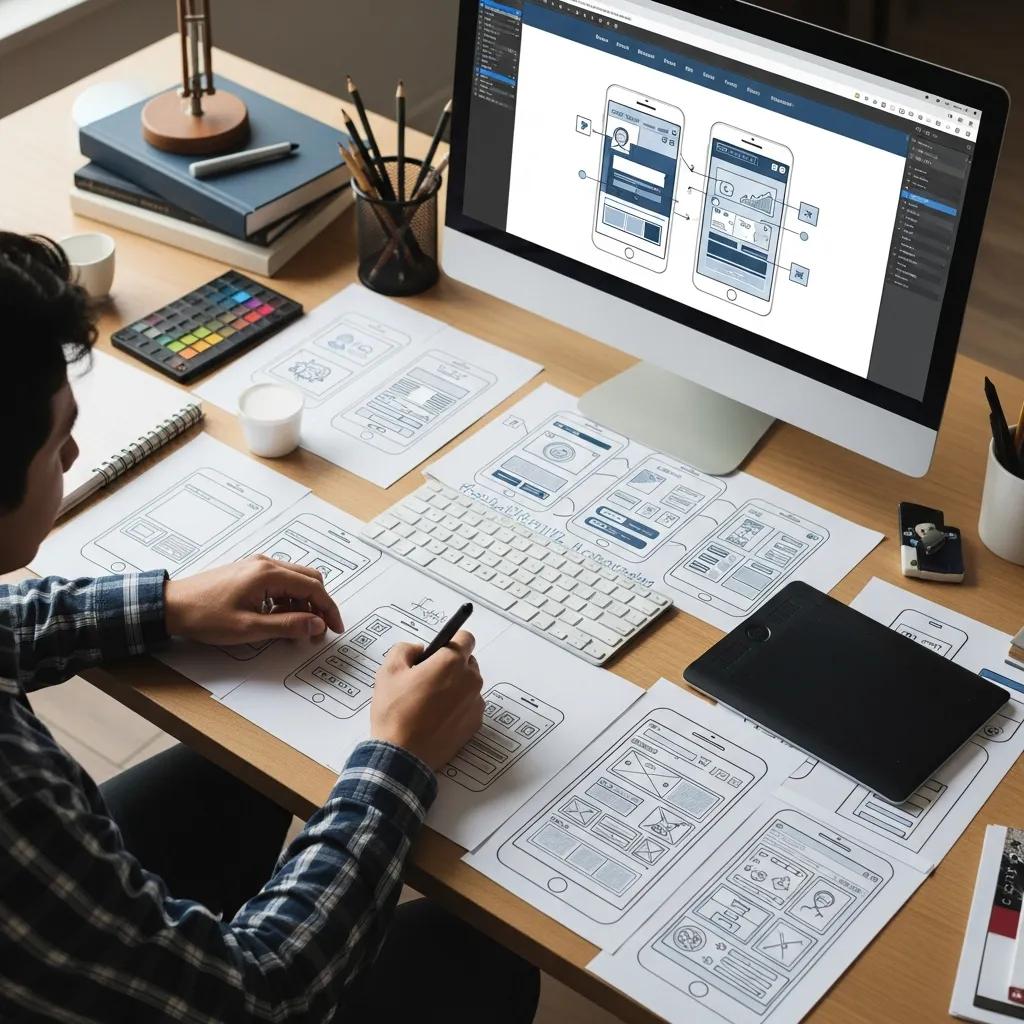
Mobile-first design is a strategy that prioritizes the mobile user experience from the outset. This approach involves designing for smaller screens first and then progressively enhancing the experience for larger screens.
Further emphasizing the importance of this approach, research highlights how mobile-first strategies are crucial for optimizing user experiences, especially in rapidly evolving digital landscapes like online education.
Mobile-First Design for Responsive User Experiences
The rapid proliferation of mobile devices has revolutionized the landscape of online education, necessitating the adoption of mobile-first strategies to optimize learning experiences. This paper explores integrating mobile-first approaches in online education, focusing on the principles of mobile-first design, challenges and considerations in implementation, strategies for successful adoption, the importance of accessibility and inclusivity, and the evaluation of mobile learning initiatives. By examining the unique affordances and constraints of mobile devices, this paper highlights the significance of creating responsive, intuitive, and engaging learning experiences that cater to the needs and preferences of mobile learners.
Implementing mobile-first strategies in online education, 2024
The core principles of mobile-first design include:
- User Experience Focus: By starting with mobile, designers are forced to prioritize essential features and content, ensuring that the most important elements are accessible.
- Fast Loading Times: Mobile-first design emphasizes performance, as mobile users often have slower internet connections. This principle encourages the use of lightweight designs and optimized assets.
- Responsive Design: This principle ensures that the design adapts fluidly to different screen sizes, providing a seamless experience across devices.
Implementing these principles can lead to a more efficient design process and a better overall user experience.
How Does Mobile First Strategy Enhance User Experience Across Devices?
The mobile-first strategy enhances user experience by ensuring that websites are designed with the mobile user in mind. This approach leads to several benefits:
- Increased User Engagement: By providing a tailored experience for mobile users, businesses can increase engagement and reduce bounce rates.
- Improved Retention: Users are more likely to return to a site that offers a smooth and enjoyable experience on their devices.
- Better Business Outcomes: A focus on mobile can lead to higher conversion rates, as users are more likely to complete desired actions when the experience is optimized for their device.
Overall, a mobile-first strategy is essential for businesses looking to thrive in a digital landscape increasingly dominated by mobile usage.
What Role Do Fluid Grid Layouts Play in Adaptive Web Design?

Fluid grid layouts are a key component of adaptive web design, allowing websites to adjust their layout based on the screen size. This approach ensures that content is displayed optimally, regardless of the device being used.
Fluid grid layouts work by using relative units, such as percentages, instead of fixed units like pixels. This flexibility allows elements to resize and reposition themselves based on the available screen space. The benefits of fluid grid layouts include:
- Seamless Adaptation: Content flows naturally, providing a consistent experience across devices.
- Optimal Viewing Experiences: Users can enjoy a layout that is tailored to their device, enhancing readability and usability.
By incorporating fluid grid layouts, businesses can create more adaptable and user-friendly websites.
How Do CSS Media Queries Enable Effective Cross Device Compatibility?
CSS media queries are a powerful tool in responsive web design, allowing developers to apply different styles based on the characteristics of the device being used. This capability is essential for ensuring that websites look and function well on a variety of devices.
Media queries enable developers to specify styles for different screen sizes, orientations, and resolutions. This means that a website can have distinct layouts and styles for mobile, tablet, and desktop users. The advantages of using CSS media queries include:
- Device Characteristics: Media queries allow for customization based on the specific features of the device, ensuring an optimal experience.
- Responsive Design: They facilitate the implementation of responsive design principles, making it easier to create layouts that adapt to different screen sizes.
By leveraging CSS media queries, businesses can enhance their websites’ compatibility across devices, improving user satisfaction.
What Are Best Practices for Implementing CSS Media Queries?
Implementing CSS media queries effectively requires following best practices to ensure optimal performance and user experience. Here are some key practices to consider:
- Use Mobile-First Approach: Start with styles for mobile devices and use media queries to add styles for larger screens. This approach simplifies the design process and ensures a solid foundation.
- Keep Queries Simple: Use straightforward conditions in media queries to avoid complexity. This makes it easier to maintain and update styles.
- Test Across Devices: Regularly test the website on various devices to ensure that media queries are functioning as intended and providing a consistent experience.
By adhering to these best practices, developers can create more effective and maintainable responsive designs.
How Do Media Queries Support Responsive UI Design Techniques?
Media queries play a crucial role in supporting responsive UI design techniques by allowing developers to tailor the user interface based on the device’s characteristics. This adaptability is essential for creating a seamless user experience.
Media queries enable the following responsive UI design techniques:
- Flexible Layouts: By adjusting the layout based on screen size, media queries ensure that content is displayed optimally, enhancing usability.
- Fluid Images: Media queries can be used to resize images based on the device, preventing distortion and ensuring that visuals are appropriate for the screen size.
These techniques contribute to a more engaging and user-friendly interface, ultimately improving user satisfaction.
What Are the Key Differences Between Adaptive and Responsive Design?
Adaptive and responsive design are two approaches to creating websites that function well across devices, but they differ significantly in their methodologies.
- Adaptive Design: This approach involves creating multiple fixed layouts for different screen sizes. The server detects the device and serves the appropriate layout, which can lead to faster loading times but requires more maintenance.
- Responsive Design: In contrast, responsive design uses fluid grids and media queries to create a single layout that adapts to any screen size. This approach is more flexible and easier to maintain but may require more initial development effort.
Understanding these differences can help businesses choose the right approach for their specific needs.
How Does Adaptive Design Compare to Responsive Design in User Experience?
When comparing adaptive and responsive design in terms of user experience, several factors come into play:
- User Engagement: Responsive design often leads to higher user engagement due to its fluid nature, providing a consistent experience across devices.
- Design Flexibility: Adaptive design can offer tailored experiences for specific devices, but it may lack the seamlessness of responsive design.
- Maintenance: Responsive design typically requires less ongoing maintenance, as it relies on a single layout that adapts to various devices.
Ultimately, the choice between adaptive and responsive design should be based on the specific goals and resources of the business.
When Should Businesses Choose Adaptive Versus Responsive Web Design?
Choosing between adaptive and responsive web design depends on various factors, including business goals, target audience, and available resources. Here are some considerations:
- Adaptive Design: Businesses with specific target audiences that use particular devices may benefit from adaptive design, as it allows for tailored experiences. This approach can be advantageous for applications requiring high performance on specific devices.
- Responsive Design: For businesses aiming for a broader reach and a consistent experience across all devices, responsive design is often the better choice. It simplifies maintenance and ensures that all users have access to the same content.
By evaluating these factors, businesses can make informed decisions about their web design strategies.
How Can Performance Optimization Improve Responsive Web Design Outcomes?
Performance optimization is critical for enhancing the effectiveness of responsive web design. By improving loading times and overall performance, businesses can significantly impact user experience and engagement.
Key performance optimization techniques include:
- Image Optimization: Reducing image sizes without sacrificing quality can lead to faster loading times, improving user satisfaction.
- Minimizing Code: Streamlining HTML, CSS, and JavaScript can enhance performance, making websites more responsive and efficient.
- Caching Strategies: Implementing caching can reduce load times for returning users, providing a smoother experience.
These techniques not only improve user experience but can also lead to higher conversion rates.
What Techniques Enhance Loading Speed on Mobile Devices?
Enhancing loading speed on mobile devices is essential for retaining users and improving engagement. Here are some effective techniques:
- Image Compression: Use tools to compress images without losing quality, ensuring faster loading times.
- Minification of Resources: Minify CSS and JavaScript files to reduce their size, leading to quicker downloads.
- Content Delivery Networks (CDNs): Utilize CDNs to distribute content closer to users, reducing latency and improving load times.
By implementing these techniques, businesses can create faster, more efficient mobile experiences.
How Does Optimized Responsive Design Impact Conversion Rates?
Optimized responsive design has a direct impact on conversion rates by providing users with a seamless and enjoyable experience. When users can easily navigate a website and access content, they are more likely to complete desired actions, such as making a purchase or signing up for a newsletter.
Key benefits of optimized responsive design include:
- Improved User Experience: A well-optimized site enhances user satisfaction, leading to increased engagement and retention.
- Higher Conversion Rates: Streamlined navigation and fast loading times encourage users to take action, boosting conversion rates.
- Reduced Bounce Rates: Users are less likely to leave a site that functions well on their devices, leading to lower bounce rates and higher overall traffic.
By focusing on optimization, businesses can significantly enhance their online performance and achieve better results. To gain deeper insights into your website’s traffic and user behavior, consider leveraging vTraffic.
About the Author and Organization
This article is brought to you by WebDesign Insights, a team of experienced web development professionals dedicated to sharing expert knowledge on responsive and mobile-first web design strategies. Our contributors include certified UX designers, front-end developers, and digital marketing specialists with years of industry experience.
Author: Jane Smith, Senior UX Designer at WebDesign Insights, specializes in creating intuitive and accessible web interfaces that enhance user engagement across devices. Jane holds a Master’s degree in Human-Computer Interaction and has contributed to numerous high-profile responsive design projects.
For more expert advice and resources, visit our website at webdesigninsights.example.com.
Conclusion
Mastering responsive web design is essential for creating websites that deliver exceptional user experiences across all devices. By implementing best practices such as mobile optimization, fluid grid layouts, and CSS media queries, businesses can significantly enhance user engagement and conversion rates. Embrace these strategies to ensure your website not only attracts visitors but also retains them effectively. Start optimizing your web presence today by exploring our comprehensive resources and tools.
FAQs
What are the benefits of using a mobile-first design approach?
The mobile-first design approach prioritizes the mobile user experience, leading to several advantages. It ensures that essential features are accessible on smaller screens, which can enhance user engagement and retention. Additionally, this strategy often results in faster loading times, as designs are optimized for mobile devices. By focusing on mobile first, businesses can create a more streamlined and efficient design process, ultimately improving overall user satisfaction and increasing conversion rates across all devices.
How can businesses measure the effectiveness of their responsive web design?
Businesses can measure the effectiveness of their responsive web design through various metrics. Key performance indicators (KPIs) include user engagement rates, bounce rates, and conversion rates. Tools like Google Analytics can provide insights into how users interact with the site across different devices. Additionally, monitoring loading times and user feedback can help identify areas for improvement. Regular A/B testing can also be beneficial in determining which design elements resonate best with users, allowing for data-driven adjustments.
What role does accessibility play in responsive web design?
Accessibility is a critical aspect of responsive web design, ensuring that all users, including those with disabilities, can navigate and interact with a website effectively. Implementing accessibility features, such as alt text for images, keyboard navigation, and screen reader compatibility, enhances the user experience for everyone. By adhering to accessibility standards, businesses not only comply with legal requirements but also expand their audience reach, fostering inclusivity and improving overall user satisfaction across diverse user groups.
How do performance optimization techniques affect user experience?
Performance optimization techniques significantly enhance user experience by reducing loading times and improving site responsiveness. Techniques such as image compression, code minification, and leveraging content delivery networks (CDNs) can lead to faster page loads, which is crucial for retaining users. A well-optimized site minimizes frustration and encourages users to explore more content, ultimately leading to higher engagement and conversion rates. In today’s fast-paced digital environment, performance optimization is essential for maintaining a competitive edge.
What are some common mistakes to avoid in responsive web design?
Common mistakes in responsive web design include neglecting mobile optimization, using fixed layouts instead of fluid grids, and failing to test across multiple devices. Additionally, overloading pages with heavy images or scripts can lead to slow loading times, frustrating users. Another mistake is not prioritizing user experience, such as complex navigation or unclear calls to action. By avoiding these pitfalls and focusing on best practices, businesses can create more effective and user-friendly websites that cater to a diverse audience.
How can businesses ensure their responsive design remains effective over time?
To ensure that responsive design remains effective, businesses should regularly update their websites based on user feedback and evolving design trends. Conducting periodic usability testing can help identify areas for improvement. Additionally, staying informed about new technologies and best practices in web design is crucial. Implementing a continuous improvement strategy, including regular performance audits and updates, will help maintain a high-quality user experience and adapt to changing user needs and device capabilities.